Liquids in carry-on: the 3-1-1 rule
The TSA liquids rule in plain words: container size, one bag, what is exempt, and why you should check your own airport and airline before flying.
Zeina Saidi2 min read
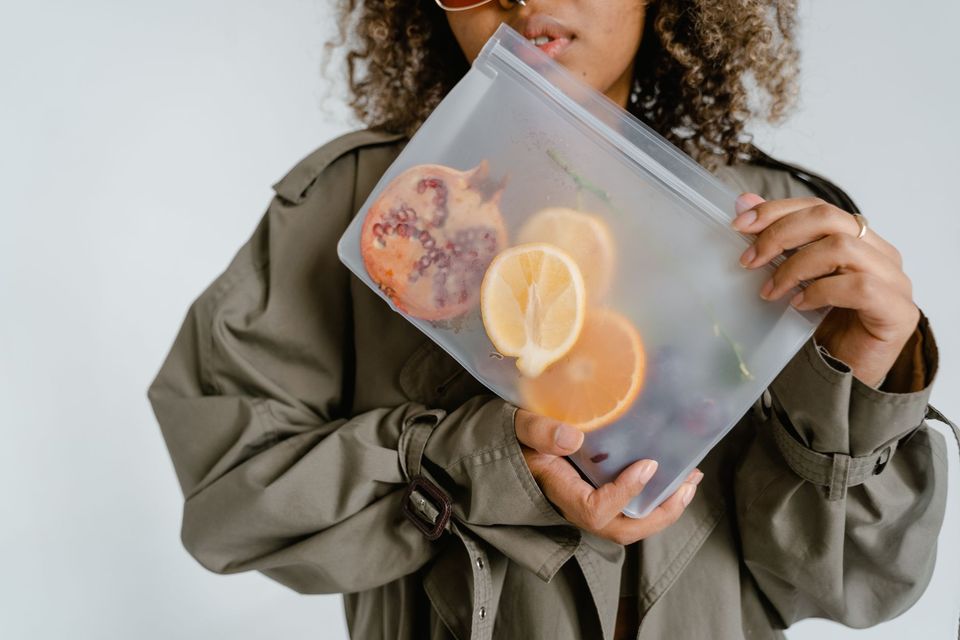
The rule is called 3-1-1, and the numbers are the whole point. It covers anything liquid, gel, cream, paste or aerosol in your carry-on.
3: each container holds 3.4 ounces (100 ml) or less. The size printed on the container is what counts, not how full it is. A half-empty large bottle is still a large bottle.
1: all of them fit in one clear, quart-size bag.
1: one bag per traveller.
The bag should close, and you take it out of your carry-on at the checkpoint if asked. The TSA rule page is the source for the details, and it is worth reading before a trip, as screening procedures can change.
Common exceptions
TSA allows larger amounts of some items, typically medication, baby formula, breast milk and food for infants, but you should tell the officer and keep them separate from the bag. The TSA page lists what applies. Do not rely on a blog, including this one, for the fine print.
Checked bags and other countries
A bigger bottle can go in checked luggage, usually without trouble. Pack it in a sealed bag in case it leaks.
Outside the United States, limits often match the 100 ml rule, but not always, and some airports have scanners that change the procedure. Check the airport and the airline, especially on a trip with a connection. ## What to do in practice
Decide what must be liquid, and swap the rest for solids. Bar shampoo and solid deodorant do not count against your bag. Read how this works in a longer trip in the 10-day carry-on list.
More to read
Keep reading

Carry-on backpack or wheeled bag: which to pick
A decision rule for choosing between a carry-on backpack and a wheeled carry-on, based on how far you walk, what you carry and how you get around.
Baptiste Moreau2 min read
Carry-on bag size limits: how to check yours
Carry-on bag size limits differ by airline and fare, so here is how to check yours, measure your bag and avoid gate fees, with no made-up numbers.
Zeina Saidi3 min read
Can I bring a power bank on a plane? Carry-on rules
Can I bring a power bank on a plane? In general yes, in your carry-on and not in checked bags, with limits that vary, so check your airline first.
Zeina Saidi3 min read
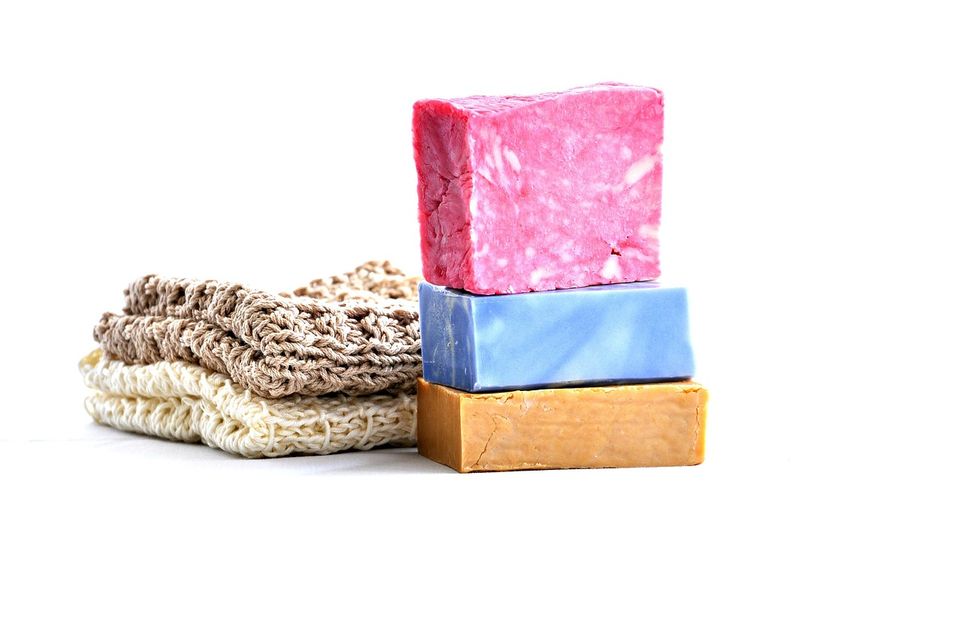
Solid toiletries vs travel bottles for carry-on
Solid toiletries vs travel bottles: solids skip the liquids bag and never leak, bottles are cheaper and easier to use. Here is how to pick for a carry-on.
Zeina Saidi3 min read

One bag travel for beginners: how to start and what to cut
One bag travel for beginners: a plain method to pack for any trip in a single carry-on, with a weight rule, a wear list and what to cut first.
Zeina Saidi4 min read
Carry-on only packing list for 10 days
How to fit ten days into one carry-on only bag with a simple formula, a wear-on-the-plane list and a laundry plan that actually gets used on the trip.
Zeina Saidi4 min read