
What to wear on a trip, by temperature
A layer-by-layer guide to dressing for cold, cool, mild, warm and hot weather on a trip, with a rule for rain and wind and what to wear on the plane.
Baptiste Moreau4 min read
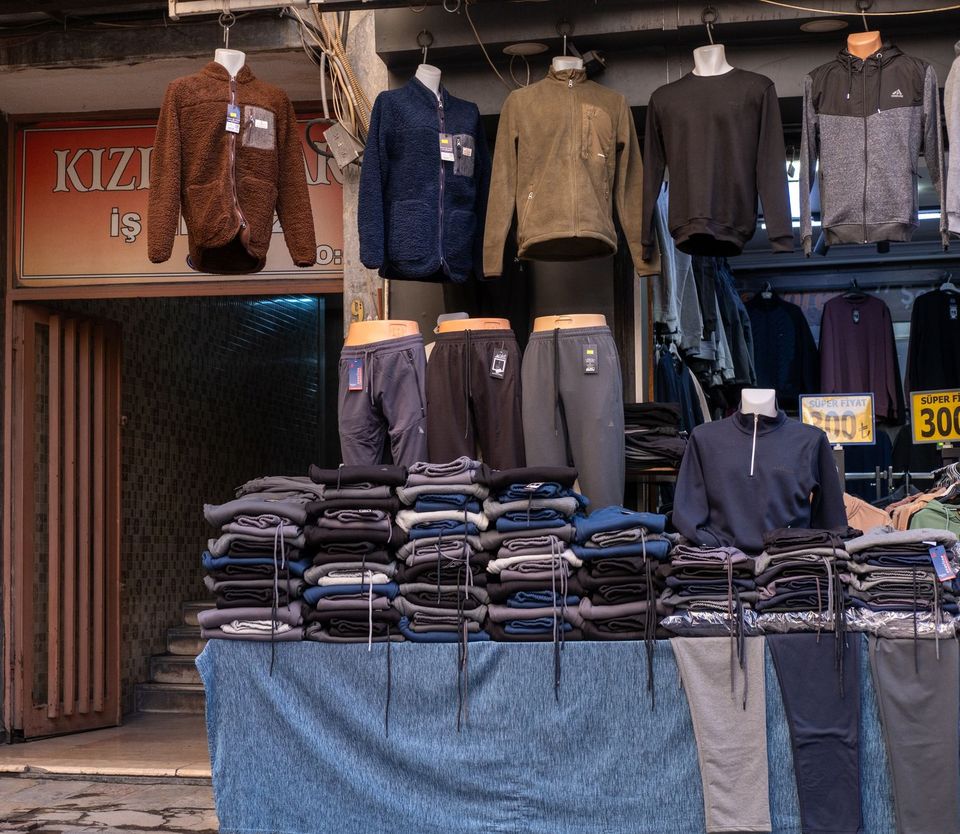
Temperature on a forecast is not the whole story. Wind, damp, sun and how much walking you will do all change what you need. Use the ranges below as a starting point and adjust.
Three layers cover most trips
- Base. Sits next to skin. Dries fast and does not hold sweat. Cotton is fine in mild weather and a poor choice in cold, wet conditions.
- Warmth. A fleece, a knit or a light insulated jacket. Takes the heat you make and keeps it.
- Shell. Blocks wind and rain. It does not need to be thick.
One of each, plus a second base layer, handles a surprisingly wide range.
By temperature range
These ranges are approximate and depend on wind, damp and how active you are. Check the forecast for your destination.
| Feels like | Wear | Leave at home |
|---|---|---|
| Cold (below about 5 C / 41 F) | Base, warm mid layer, insulated coat, hat, gloves | Fashion scarves that do not keep you warm |
| Cool (about 5 to 12 C / 41 to 54 F) | Base, warmth layer, light shell | Heavy coat that you will carry all day |
| Mild (about 12 to 20 C / 54 to 68 F) | Tee or shirt, light layer for mornings and evenings | Duplicate jackets |
| Warm (about 20 to 28 C / 68 to 82 F) | Breathable top, light trousers or shorts, sun protection | Dark heavy fabrics |
| Hot (above about 28 C / 82 F) | Loose, light-coloured clothes, hat, plenty of water | Tight synthetics, jeans |

A decision rule for the doorstep
Before you leave for the day, stand outside for one minute in what you are wearing. If you feel slightly cool, you are right for walking, because you will warm up in ten minutes. If you feel comfortable, you will be too warm once you move. If you feel properly cold, add a layer now, not later. This costs nothing and replaces most forecast arguments.
Wet and windy days
Wind makes cold air feel colder and rain makes everything worse. A shell that blocks both is worth more than a thicker jumper. If you will be walking long distances in rain, bring a second pair of socks, which weigh almost nothing and fix a bad afternoon.
Heat and sun
In hot places, loose long sleeves can be cooler than bare skin in strong sun. Check local guidance on sun and heat safety. If you are travelling somewhere with extreme heat, check your health service or the destination's health authority. ## Wear on the plane
The cold-weather layers are bulky, so they go on your body. Wear the heaviest layer on the plane and pack the rest. The 10-day carry-on list has the full wear-on-the-plane list. For a trip where you will move between climates, put a thin warm layer in your personal item because aircraft cabins are often cold.
Events in cold weather
A formal outfit in winter needs a coat that looks right with it. A long dark wool or plain coat works with almost any dress code. If you are dressing for a wedding, the dress code guide explains what each level means.
Shoes and feet
Feet decide whether a day out is pleasant. In cold weather, wear shoes with room for a thicker sock rather than squeezing in. In warm weather, choose shoes you have already walked in for a full day. New shoes on day one of a trip are a classic mistake. Waterproof shoes help in rain, but only if they are already broken in. ## What to do if the forecast is wrong
Pack for the colder end of the range, since a layer is easier to remove than to invent. If the weather turns, buy the single missing item near where you are staying rather than carrying duplicates. That is cheaper than it sounds.
More to read
Keep reading
The case for a boring travel wardrobe
Why plain, matching travel clothes make trips easier, cut decisions and fit in one bag, and how to build a boring set that still looks fine in photos.
Baptiste Moreau4 min read
How to pack for a trip with two climates
How to pack for a trip with two climates, such as a hot beach and a cold city: wear the bulky layer, pack thin layers and plan one laundry stop.
Baptiste Moreau2 min read
How to do laundry while traveling: sink wash to laundromat
How to do laundry while traveling: a ten-minute sink wash, when a laundromat or hotel service is better, and how to dry clothes fast overnight.
Baptiste Moreau4 min read
City break packing list: what to pack for 3 to 4 days
A city break packing list for three or four days: walking shoes, a small day bag, a few outfits that match and what to leave at the hotel.
Baptiste Moreau4 min read
Business trip packing list for 3 days in one carry-on
A business trip packing list for three days in one carry-on: a mix-and-match work outfit formula, a wrinkle plan and the tech and papers you need.
Baptiste Moreau4 min read

The one outfit rule: pack around a single outfit you trust
A short column on the one outfit rule: pick one outfit you feel good in, and let it set the colours and shoes for the whole bag. It cuts packing decisions.
Baptiste Moreau4 min read