
Wedding dress codes explained, in plain words
What black tie, formal, cocktail, semi-formal and casual wedding dress codes actually mean, plus a rule for when the invitation is vague.
Baptiste Moreau4 min read
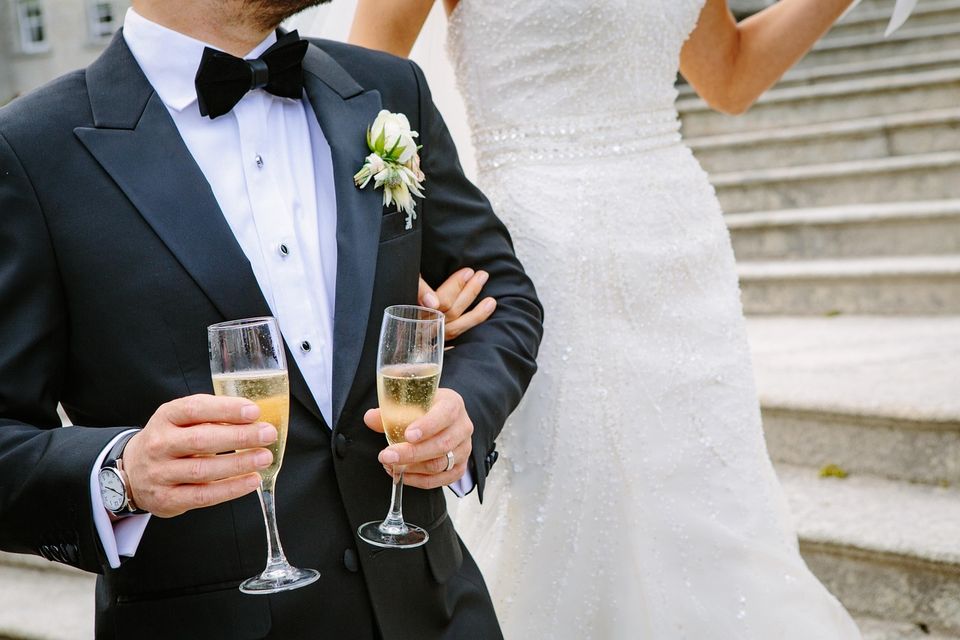
An invitation that says "cocktail attire" is not trying to trick you. It is giving you a level. The trouble is that nobody agrees on the levels, so here they are, from most to least formal.
The codes, ranked
| Code | What it usually means | Typical outfit |
|---|---|---|
| White tie | Rare, very formal, evening | Full-length gown, tailcoat |
| Black tie | Formal evening | Floor-length dress or elegant long separates; tuxedo or dark formal suit |
| Black tie optional | Formal, tux not required | Long dress or smart cocktail dress; dark suit or tux |
| Formal | Between black tie and cocktail | Long or midi dress; dark suit and tie |
| Cocktail | Dressy, not floor-length | Knee or midi dress, dressy jumpsuit; suit, tie optional |
| Semi-formal | Smart, a step below cocktail | Smart dress or separates; suit or jacket with trousers |
| Casual or daytime | Relaxed but not beachwear | Sundress or neat separates; shirt and chinos |
Regional and religious customs change what is appropriate. Modest coverage, colours to avoid and head coverings can all matter.
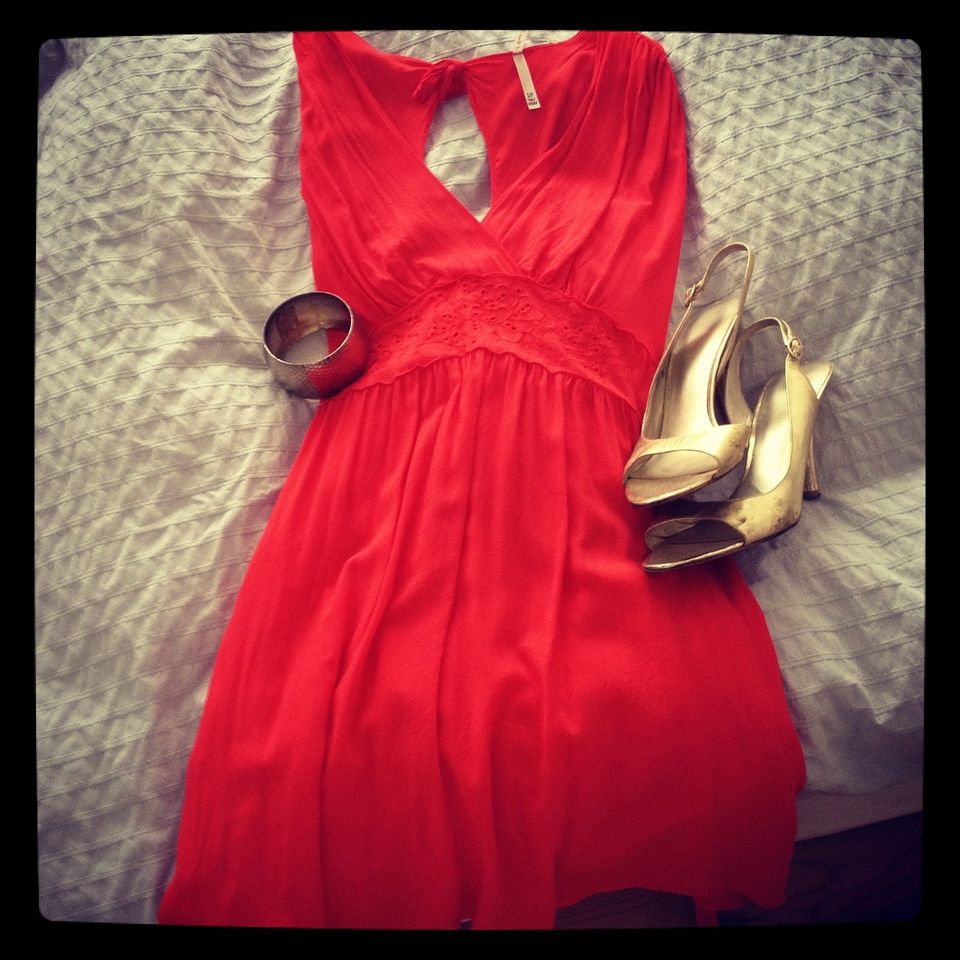
The 3-2-1 outfit rule
When you stand in front of the wardrobe, decide three things in this order.
- 3: Time. Before 5 pm leans lighter in colour and fabric. After dark, deeper colours and dressier fabrics.
- 2: Place. Indoor hall, garden, beach, church or barn. This changes shoes and fabric more than anything else.
- 1: Code. The word on the invitation sets the length and formality.
If the three disagree, follow the code and adjust the shoes and fabric for the place.
What not to wear
- White, ivory or anything close to the bride's likely colour, unless the invitation says otherwise
- A full black outfit to a daytime ceremony in some cultures, as it can read as mourning. Check with someone who knows the family
- Heels that sink into grass at an outdoor venue
- Anything you cannot sit, dance and hug in
Guests of the couple versus guests of guests
Dress for the invitation, not for your relationship to the couple. Close family may be asked to match a colour scheme, and the couple will tell you. Everyone else should aim to be well dressed and forgettable. The goal is to look good in the photos without being in them for the wrong reason.
When the code is vague
"Dressy casual", "festive", "garden party". Ask the couple or someone close to them what the guests will wear. If you cannot ask, use this decision rule: dress one step above what you would wear to a nice dinner, and bring a layer. You can take off a jacket. You cannot put one on if you left it at home.
Weather and venue
For an outdoor wedding, check the forecast the week before. A shawl, a jacket and shoes that handle grass are not optional extras. For a winter wedding, the weather page on what to wear by temperature covers layers that do not ruin the outfit.
Shoes, bags and the small stuff
Shoes carry the dress code more than people expect. For black tie and formal, closed or dressy shoes in a dark tone. For cocktail, a block heel or a polished flat is fine. For garden or beach venues, a flat or wedge that will not sink. Bring a small bag that holds a phone, a card and lip balm, and nothing else. A big bag at a formal dinner is a chair-back problem for three hours.
Leave at home: a second pair of heels "in case", a large umbrella you will not use if the venue provides cover, and anything that needs ironing on site.
If you are travelling to the wedding
Wear the creasable item on the plane and pack the dress in a garment bag or fold it with tissue paper. Hang it in a steamy bathroom on arrival. For a one-bag trip, the 5-day carry-on list shows how much room one formal outfit takes.
More to read
Keep reading
What to wear to religious sites when travelling
What to wear to religious sites when travelling: cover shoulders and knees in most cases, bring a light scarf, and check the site's own rules before you go.
Baptiste Moreau3 min read
What to wear on a long flight: comfort rules that work
What to wear on a long flight: loose layers, soft fabric, easy shoes and compression socks if your doctor agrees, plus what to leave out of the outfit.
Baptiste Moreau3 min read
What to wear hiking for a day trip: a layer-by-layer guide
What to wear hiking for a day trip: base, warmth and shell layers, the right socks and shoes, and what to leave in the car or at the hotel.
Baptiste Moreau4 min read

What to wear to a destination wedding abroad
What to wear to a destination wedding abroad: how to read the invite, match the weather and venue, and pack the outfit so it arrives without creases.
Baptiste Moreau5 min read
What to wear to a music festival: comfort, weather and bags
What to wear to a music festival: comfortable shoes, layers for day and night, a small bag and sun protection. Check the festival's bag rules first.
Baptiste Moreau1 min read
Black tie vs cocktail attire: what each dress code means
Black tie vs cocktail attire explained: black tie means a tuxedo and floor-length gown, cocktail means a suit or knee-length dress. See the full table.
Baptiste Moreau2 min read