
What to wear hiking for a day trip: a layer-by-layer guide
What to wear hiking for a day trip: base, warmth and shell layers, the right socks and shoes, and what to leave in the car or at the hotel.
Baptiste Moreau4 min read
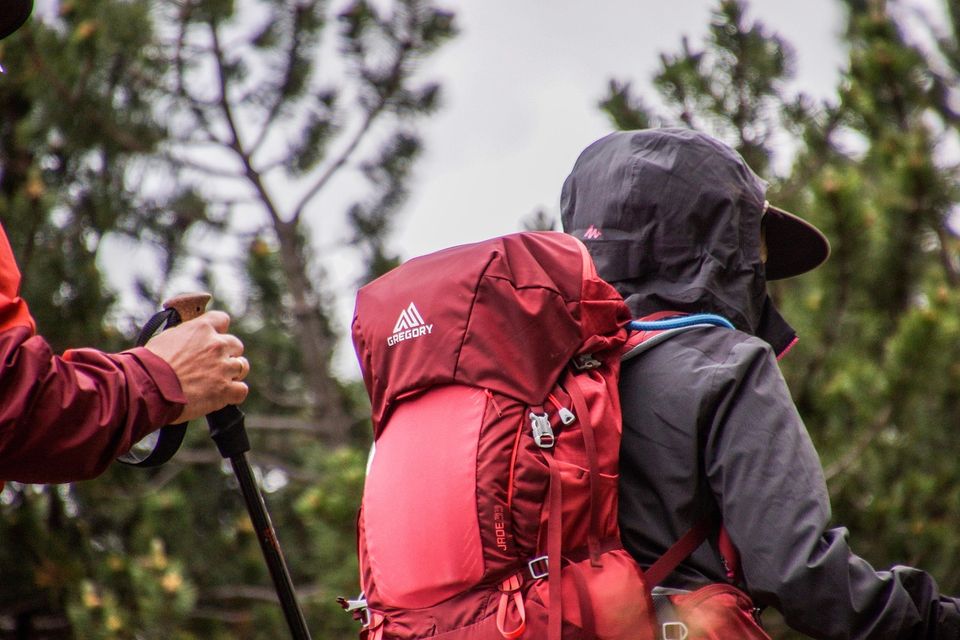
For a day hike, wear what keeps you dry and comfortable while moving, and carry what you need when you stop. The weather at the car park is not the weather at the top.
Check the forecast and the conditions on the trail page of the park or the local authority before you go. Mountain weather can change fast.
The three layers, as a rule
Base, warmth, shell. The same system as in what to wear by temperature.
- Base: a quick-dry tee or long-sleeve top. Synthetic or wool. It moves sweat away from skin.
- Warmth: a fleece or light insulated jacket. Packs small.
- Shell: a light rain and wind jacket. It lives in your pack until you need it.
Ruling: cotton is a poor base. It stays wet, and wet and cold is where trouble starts.
What goes on the bottom half
- Hiking trousers or shorts that stretch and dry fast
- Leggings are fine in mild weather
- Underwear in quick-dry fabric
Skip jeans. They are heavy when wet and slow to dry. For a pack that holds it all, see packing cubes vs rolling clothes.
Shoes and socks
Feet decide the day. Wear shoes you have already walked in. New shoes on a long hike is a classic mistake.
- Trail shoes or light hiking boots with grip
- Socks in wool or a synthetic blend, not cotton
- Pack a spare pair of socks. They weigh almost nothing and fix a wet afternoon.

What to carry in the pack
- Extra layer and shell
- Hat and light gloves in cool places, sun hat and sunscreen in warm places
- Water and food
- A basic first aid kit
- A phone and a power bank, and an offline map
What to leave at the hotel
- Jeans
- A big camera you will not use
- Heavy jewellery
- Cotton hoodies
If it goes wrong
Soaked through? Add the warm layer and keep moving, then turn back. Blister? Stop early and cover it. Colder at the top? Put the shell on over everything to block wind. If you feel unwell, turn around.
A per-conditions table
These are starting points. Check the forecast and the conditions on the trail for your day.
| Conditions | Base | Warmth | Shell | Extras |
|---|---|---|---|---|
| Warm and dry | Tee, shorts | Thin fleece in pack | Light shell in pack | Hat, sunscreen |
| Cool and dry | Long-sleeve top, trousers | Fleece or light insulated jacket | Light shell | Light gloves, hat |
| Cold | Thermal base, trousers | Insulated jacket | Wind and rain shell | Gloves, warm hat, spare socks |
| Wet | Quick-dry top, trousers | Fleece | Waterproof shell | Spare socks, bag liner for the pack |
The stop-and-add rule
Dress slightly cool at the start. You will warm up in ten minutes. But when you stop for lunch, put the warm layer on at once, before you feel cold. Sweat cools fast when you stop moving. This one habit keeps most day hikes pleasant.
Ruling: add a layer before you are cold, take one off before you are hot.
Safety basics
- Tell someone where you are going and when you expect to be back.
- Start early, so you have daylight to spare.
- Carry more water than you think you need.
- Turn back if the weather or the trail changes.
These are general tips. Check the park or trail authority for local advice, permits and conditions, and ask a qualified guide if you are not sure about a route.
Quick questions
What should I wear for a day hike in summer?
A light, quick-dry top, shorts or light trousers, a hat and sunscreen. Pack a thin warm layer in case.
Do I need hiking boots for a day hike?
Not always. Trail shoes with grip are fine on well-made paths. On rocky or wet ground, boots help.
Should I wear leggings or hiking trousers?
Either, as long as they dry fast and do not rub. Avoid cotton.
More to read
Keep reading
What to wear to religious sites when travelling
What to wear to religious sites when travelling: cover shoulders and knees in most cases, bring a light scarf, and check the site's own rules before you go.
Baptiste Moreau3 min read
What to wear on a long flight: comfort rules that work
What to wear on a long flight: loose layers, soft fabric, easy shoes and compression socks if your doctor agrees, plus what to leave out of the outfit.
Baptiste Moreau3 min read

What to wear to a destination wedding abroad
What to wear to a destination wedding abroad: how to read the invite, match the weather and venue, and pack the outfit so it arrives without creases.
Baptiste Moreau5 min read

Wedding dress codes explained, in plain words
What black tie, formal, cocktail, semi-formal and casual wedding dress codes actually mean, plus a rule for when the invitation is vague.
Baptiste Moreau4 min read
What to wear to a music festival: comfort, weather and bags
What to wear to a music festival: comfortable shoes, layers for day and night, a small bag and sun protection. Check the festival's bag rules first.
Baptiste Moreau1 min read
Black tie vs cocktail attire: what each dress code means
Black tie vs cocktail attire explained: black tie means a tuxedo and floor-length gown, cocktail means a suit or knee-length dress. See the full table.
Baptiste Moreau2 min read